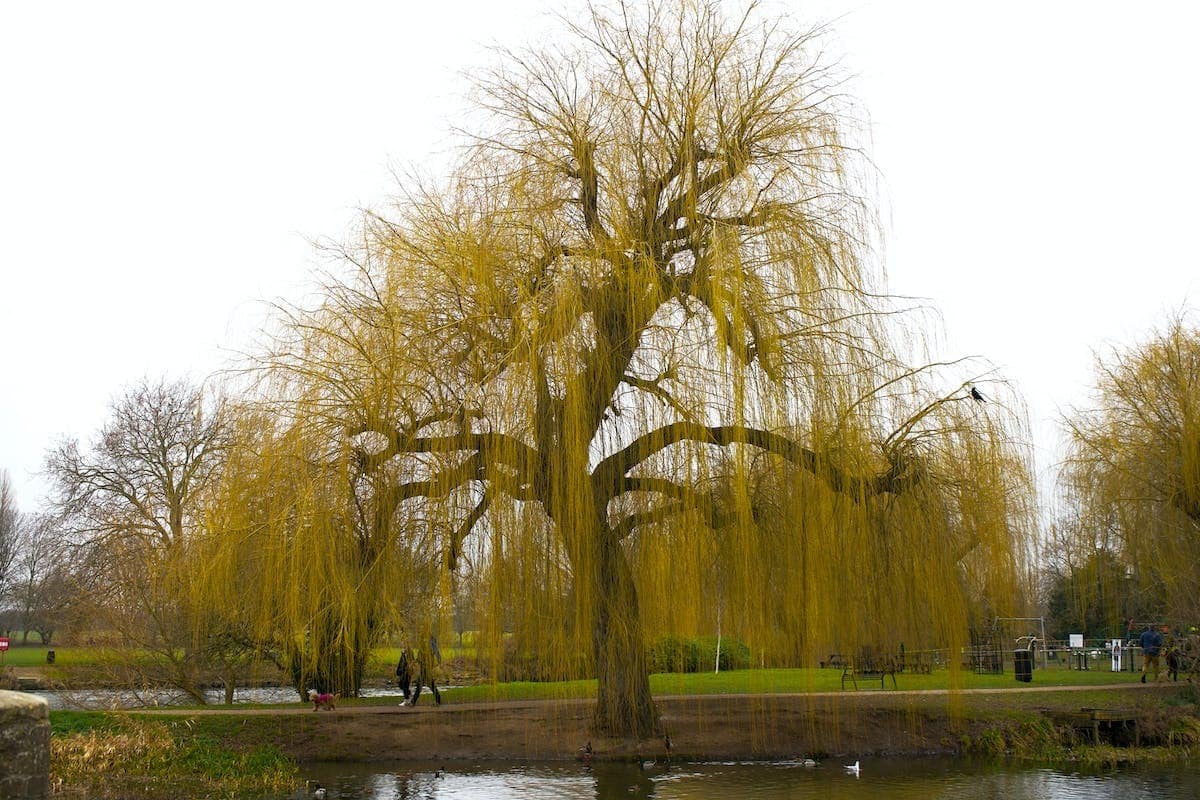
Growing a shrimp willow is often a matter of balance, between letting it grow wild and pruning it for optimal growth. The latter aspect may seem intimidating for beginner gardeners, but don’t worry. In reality, pruning the shrimp willow is not as complicated as it seems. You just need to know a few key points about the ideal time to prune it and how to do it correctly. What follows is a practical guide that will help you understand these vital elements and allow you to keep your shrimp willow healthy and thriving.
Discover the shrimp willow: a unique and easy-to-maintain shrub
The different types of pruning can play a crucial role in the health and growth of a shrimp willow. The right time to prune this plant is essential to maintain its structural balance. Generally, it is recommended to prune the shrimp willow during its dormant periods, that is, in winter or early spring before the buds begin to form.
There are two main types of pruning: light pruning and severe pruning. The former involves simply removing dead, damaged, or poorly oriented branches to stimulate better growth. You just need to use clean, sharp shears to make these small precise cuts.
As for severe pruning, it requires more attention as it involves more significant cuts that can cause shock to the shrimp willow. It should be done carefully using appropriate tools such as a clean, sharp saw.
To determine if your shrimp willow needs light pruning or severe pruning, carefully examine the overall condition of the tree as well as its aesthetic appearance. Also consider the specific needs related to your garden and local environmental constraints.
By following these practical tips on when to prune a shrimp willow, you will certainly achieve optimal growth while preserving the structural and aesthetic integrity of this beautiful tree.
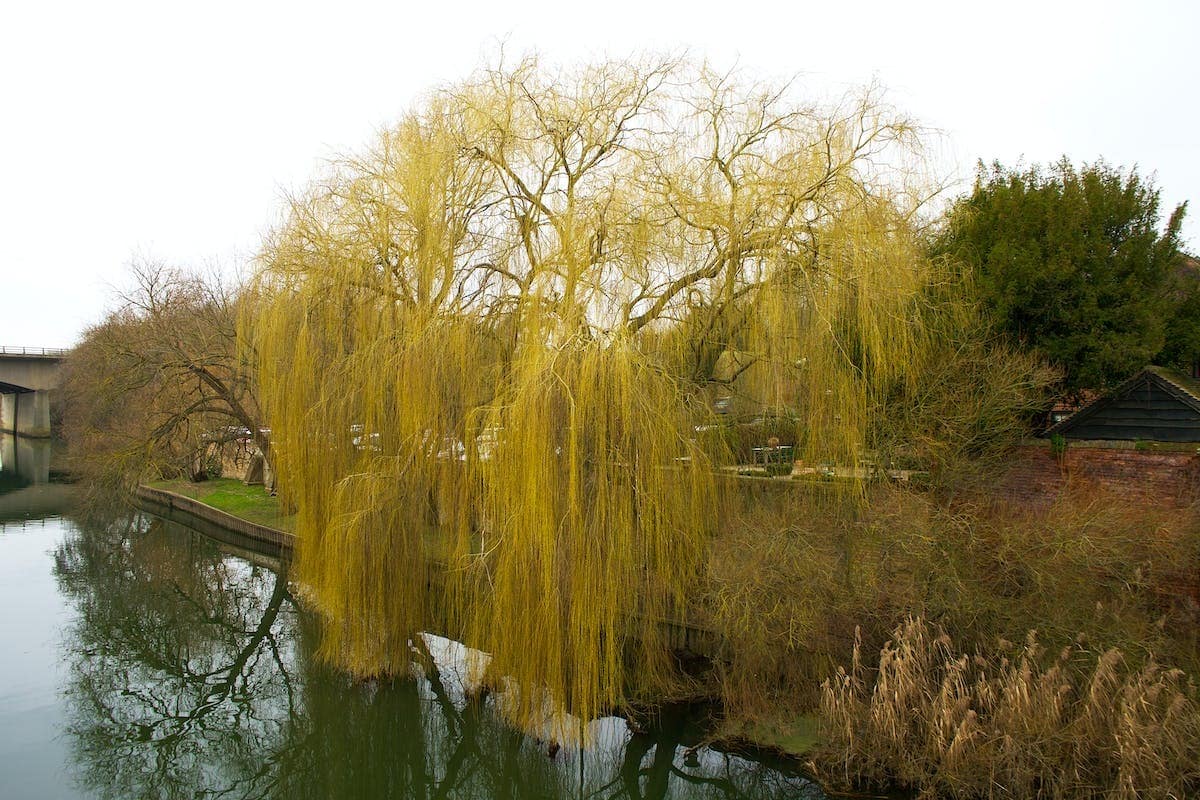
Pruning the shrimp willow: techniques suited to each variety
The question of when to prune the shrimp willow is of paramount importance to ensure optimal growth of this plant. The ideal period for performing this delicate operation lies in the winter months or early spring, when the vegetation goes dormant and the buds are not yet formed.
You have two main types of pruning: light pruning and severe pruning. The former involves precisely removing dead, damaged, or poorly oriented branches to encourage better regrowth. In this case, you just need to use well-sharpened shears to make these small cuts.
Severe pruning, on the other hand, requires more precautions as it involves larger cuts that can cause significant shock to the shrimp willow. It is therefore essential to opt for appropriate tools such as a clean, sharp saw when undertaking this type of pruning.
To determine if your shrimp willow requires light pruning or severe pruning, it is crucial to carefully examine the overall condition of the tree as well as its visual appearance. The specific needs related to your garden and local environmental constraints should also be taken into account.
By following these practical tips regarding the right time to prune a shrimp willow, you can expect to achieve optimal growth while preserving the structural and aesthetic integrity of this majestic tree. It is recommended to consult a professional if you have doubts or specific questions regarding the pruning of your shrimp willow.
Essential tools: the necessary equipment for successful pruning
The pruning of the shrimp willow is an essential step to ensure its optimal growth. It must be carried out carefully and in accordance with certain rules.
You need to choose the right time to prune your shrimp willow. Ideally, this should be done in spring or autumn when the plant is in a state of dormant growth. Avoid pruning during periods of intense heat or frost, as this could compromise the health of your tree.
Before any intervention on the shrimp willow, make sure you have the appropriate tools on hand. A pair of well-sharpened pruning shears will be your best ally for making clean and precise cuts. Also, be sure to disinfect your tools before each use to prevent the spread of diseases.
Start by removing dead or damaged branches by making a clean cut near the trunk. Eliminate branches that cross or rub against each other to aerate the center of the tree and promote light penetration.
You need to remove the main branches. However, be careful not to cut too much as this could weaken the tree and compromise its future development.
To achieve a more compact and dense appearance, you can practice regular pruning of new shoots during the season. This will encourage branching and give a bushier effect to your shrimp willow.
Don’t forget to provide the necessary care after pruning. Light fertilization with an appropriate fertilizer will promote the recovery and growth of your tree. Also, be sure to hydrate the shrimp willow well, especially during the summer.
Pruning the shrimp willow requires some expertise but also know-how. By following best practices and using the appropriate tools, you can keep your tree healthy while giving it a neat and harmonious appearance. Don’t hesitate to call in a professional if you have doubts or if you want personalized advice on how to prune your shrimp willow properly.
How to prune the shrimp willow: the steps to follow
The optimal growth of the shrimp willow requires special attention. Here are some tips to ensure that your tree develops harmoniously and vigorously.
It is crucial to choose an appropriate location to plant your shrimp willow. This plant loves sunny spots with well-drained soil. So make sure to select a site that meets these criteria to optimize the growth of your tree.
Once the location is chosen, be sure to prepare the soil properly before planting. Add compost or any other organic amendment to improve soil structure and promote better nutrient absorption by the roots of your shrimp willow.
During the first few years after planting, it is recommended to water your tree regularly, especially during dry periods. The shrimp willow needs a sufficient water supply to ensure its proper development and avoid any water stress that could harm its growth.
Regarding nutrition, the shrimp willow appreciates nitrogen-rich fertilizers. Apply a balanced fertilizer in spring to stimulate the growth of young shoots, then add a potassium-rich fertilizer in autumn to strengthen resistance to winter diseases.
Pruning also plays an important role in promoting optimal growth of the shrimp willow. Regular pruning helps control its expansion and gives it a more aesthetic shape. Make your cuts near the dormant buds to encourage the formation of new shoots and thus maintain a beautiful balance in the architecture of your tree.
Carefully monitor the signals your shrimp willow sends you. If you notice yellowing leaves, slowed growth, or any other anomaly, this may be a sign of an underlying problem. Don’t hesitate to consult a professional if you have concerns or need an accurate diagnosis of the health of your shrimp willow.
By following these simple yet effective tips, you can ensure optimal growth for your shrimp willow and fully enjoy this beautiful plant in your garden. Take care of it with love, and it will reward you with its elegance and beauty for many years to come.
Tips for optimal growth of your shrimp willow: practical advice
When it comes to pruning your shrimp willow, the timing is crucial. The best time to prune is in spring, just before the tree starts producing new shoots. This will allow the tree to heal more quickly and promote vigorous growth throughout the season.
Before you start pruning, make sure you have the appropriate tools. Well-sharpened and clean pruning shears are essential for making clean cuts and minimizing damage to the branches. Also, consider wearing protective gloves to avoid any accidental injury.
There are different pruning methods depending on the desired result. If you want to control the height or reduce the overall size of the tree, use a technique called thinning pruning. This involves removing dead, damaged, or poorly oriented branches to aerate the center of the tree and stimulate new growth.
To encourage dense and compact development, opt for pollarding instead. This method involves cutting all the main branches near the main trunk to create a bushier tree with multiple branches.
Whatever type of pruning you choose, always keep in mind that by taking care of your tree, you can create a healthy environment where your shrimp willow will thrive and beautify your garden for years to come.