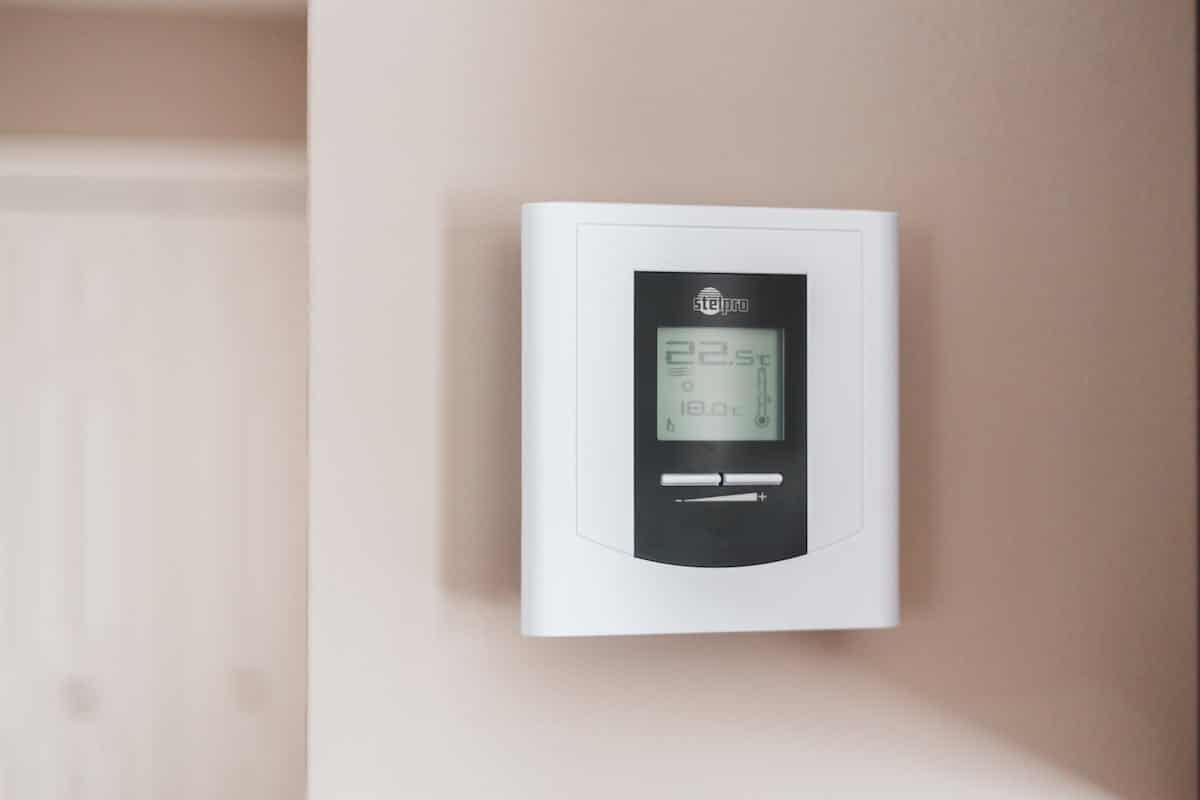
In discussions about thermal comfort at home, the thermostat 7 is often mentioned. It is commonly used in several households, but few truly understand what this value corresponds to in degrees Celsius. Clarifying this equivalence would not only help better understand how our heating system works but also optimize energy usage. The goal is to maintain a pleasant temperature without wasting energy. A better understanding of the equivalence of thermostat 7 in degrees Celsius could contribute to a more efficient and economical use of our heating systems.
Thermostat 7: a precise equivalence in degrees
The thermostat 7 is used to regulate the temperature of our interiors, but few people know exactly what temperature it corresponds to in degrees Celsius. You need to be aware of the different temperature levels of the thermostat 7 to optimize our thermal comfort.
When the thermostat is set to a temperature of 7, it generally means that it is positioned at a medium level. You should note that this equivalence can vary depending on the model and manufacturer. Some thermostats may have a different scale or offer additional options such as ‘energy-saving mode’ or ‘comfort mode’.
You need to understand the benefits of an optimal temperature for our well-being and health. An adequate temperature promotes restorative sleep, improves concentration, and prevents respiratory problems related to excessive cold.
To use the thermostat 7 effectively, it is recommended to make a few simple adjustments. Ensure that your heating system is properly maintained to guarantee its proper functioning. Adjust the time your system heats the house according to your daily habits. For example, you can slightly lower the temperature when you are away or during the night.
Avoid common mistakes when using the thermostat 7, such as frequently changing settings unnecessarily or excessively increasing the heat in the hope of achieving warmth more quickly. These mistakes can lead to energy overconsumption and discomfort.
To optimize the equivalence of the thermostat 7 in degrees, here are some practical tips. Use thick curtains to insulate windows and prevent heat from escaping. Program your thermostat to gradually increase the temperature before you arrive home so that you can immediately enjoy a cozy atmosphere.
Understanding the equivalence of the thermostat 7 in degrees Celsius is essential to maximize our thermal comfort while saving energy. By wisely adjusting settings and avoiding common mistakes, we can create a pleasant indoor environment without compromising our energy budget.
Discover the different temperature levels of thermostat 7
The optimal temperature in our interiors has many benefits for our physical and mental well-being. When we are exposed to an adequate temperature, our bodies can function more efficiently, thus promoting better overall health.
Maintaining an optimal temperature in our living space allows for restorative sleep. Indeed, studies have shown that sleep quality is greatly influenced by ambient temperature. A room that is too hot or too cold can disrupt our sleep by making it difficult to fall asleep and causing nighttime awakenings. Having an environment that is pleasantly cool but not cold promotes deep and restful sleep.
An optimal temperature also helps improve our concentration and productivity on a daily basis. Research has shown that a room slightly heated between 20°C and 22°C provides the best conditions to stimulate the mind while avoiding distractions related to extreme temperature variations. Working or studying in an environment with good thermal regulation allows one to be more alert and focused on tasks.
It has been scientifically proven that excessive cold can worsen certain respiratory problems such as asthma or seasonal allergies. A room that is too cold can irritate sensitive airways and cause unpleasant symptoms such as coughing, sneezing, and nasal congestion. Maintaining an optimal temperature thus reduces the risks of respiratory problems related to cold.
To fully enjoy the benefits of an optimal temperature, be sure to set your thermostat correctly. By intelligently adjusting settings according to our daily habits, we can create a comfortable indoor environment while saving energy. For example, during our absence or at night, it is recommended to slightly lower the temperature to avoid unnecessary overconsumption.
Some common mistakes should be avoided when using the thermostat. For example, frequently changing settings unnecessarily can disrupt the proper functioning of the heating system and lead to excessive energy consumption. Similarly, excessively increasing the heat in the hope of quickly achieving a warm atmosphere can cause thermal discomfort and significantly increase our energy bill.
Understanding the equivalence of the thermostat in terms of degrees Celsius allows us to optimize our thermal comfort in our homes to improve our overall quality of life. By following a few simple tips such as maintaining an adequate temperature for peaceful sleep or effective work, as well as avoiding common mistakes when adjusting the thermostat, such as those related to misuse or unrealistic expectations, we can enjoy a comfortable indoor environment while preserving our well-being and energy budget.
The benefits of an optimal temperature with thermostat 7
To optimize the use of your thermostat and achieve an optimal temperature in your indoor environment, it is important to consider certain recommended settings. Here are some practical tips to help you use your thermostat effectively:
Program time slots: Programming time slots on your thermostat will allow you to save energy by automatically adjusting the temperature according to your needs and daily habits. For example, during the hours when you are at work or when you are sleeping, it is advisable to slightly lower the temperature to reduce energy consumption.
Use the energy-saving mode: If your thermostat has an energy-saving mode, do not hesitate to use it. This mode generally allows for maintaining a slightly lower temperature while ensuring optimal thermal comfort. This can represent significant savings on your energy bill without compromising your well-being.
Avoid sharp variations: It is best to avoid drastic temperature changes on the thermostat, as this can disrupt the heating system and lead to unnecessary overconsumption. Prefer gradual adjustments to reach the desired temperature.
Consider external conditions: Weather conditions can influence the thermal regulation needed in our homes. In winter, for example, if you live in a very cold region, it may be necessary to set your thermostat to a slightly higher temperature to compensate for disturbances related to the cold outside.
Recommended settings for effective use of thermostat 7
In the daily use of your thermostat, you should avoid these mistakes:
Not taking into account the geographical situation: You should consider the geographical situation of your home when setting the thermostat. Indeed, temperatures can vary significantly from one region to another, which means that the ideal temperature in a colder area may not be suitable in a warmer area.
Ignoring insulation: The energy efficiency of a heating system also depends on the insulation of the home. If your home has insulation issues such as air leaks or thermal disturbances, this can lead to significant energy waste and make it difficult to maintain a constant temperature.
Neglecting windows: Windows play a crucial role in the thermal control of a living space. Therefore, do not neglect their sealing and make sure to close your windows properly when using heating to maximize its efficiency.
Using the ‘transparent declining bathtub footlights’ mode constantly: The ‘transparent declining bathtub footlights’ mode may seem appealing at first glance, but you should understand that it requires higher energy consumption. It is best to use this mode only when necessary, such as when rapid and intense heating is required.
Not performing regular maintenance: To ensure the proper functioning of the thermostat, it is important to give it regular maintenance. This includes cleaning the sensors, checking the batteries (if your model has them), and, if necessary, calling a professional for thorough maintenance.
By avoiding these common mistakes and adopting good practices in using your thermostat, you can fully enjoy its benefits while achieving significant savings on your energy bills. Remember that the key to an optimal temperature lies in the wise and conscious use of this essential device for our daily comfort.
Avoid common mistakes with thermostat 7
The management of temperature in your home is an essential aspect of creating a comfortable and economical atmosphere. Here are some tips to optimize the equivalence of the thermostat at 7 degrees:
Smart programming: Use the advanced features of your thermostat to program specific time slots with different temperatures. For example, you can slightly lower the temperature while you are at work or during the night when you are under the covers.
Precise adjustment: Take the time to finely adjust your thermostat considering the characteristics of your home, such as insulation, sun exposure, and drafts. This will allow for a uniform heat distribution without any unnecessary loss.
Use of smart sensors: Modern thermostats are often equipped with built-in sensors that automatically detect the presence or absence of people in a room. This feature allows the device to automatically adjust the temperature accordingly to avoid any unnecessary energy waste.
Seasonal optimization: Remember that your needs often vary according to the seasons, so you should regularly review your thermostat settings to match the current outdoor weather conditions.
Complementarity with other systems: Also consider using complementary devices such as humidifiers or fans to improve the energy efficiency of your heating system. For example, by using a humidifier, you can reduce the feeling of cold and maintain a lower temperature without sacrificing comfort.
Data tracking: Modern thermostats often offer the ability to access data on energy consumption. Use this tool to analyze your heating habits and identify times when you can adjust your usage to save even more.
By following these simple yet effective tips, you will be able to optimize the equivalence of the thermostat at 7 degrees in your home while ensuring an optimal temperature that meets your individual needs. Feel free to explore the advanced features of your thermostat and consult a professional if necessary to maximize its potential and achieve substantial savings on your energy bills.
Tips to maximize the equivalence in degrees of thermostat 7
In this section, we will explore the advantages and disadvantages of maintaining a temperature equivalent to 7 degrees with a thermostat. Although this may seem low for some, there are valid reasons to opt for this optimal temperature.
One of the main advantages is the significant reduction in heating costs. By maintaining a lower temperature in your home, you can save considerably on your energy bills. This is because a difference of a few degrees can have a significant impact on the energy consumption required to heat your home.
Maintaining a temperature equivalent to 7 degrees also helps preserve the environment. By reducing our dependence on fossil fuels used to produce the electricity or gas needed for heating, we can help mitigate the effects of climate change. A decrease in energy demand means fewer polluting emissions and thus a reduced carbon footprint.
It should be noted that there are also some potential downsides associated with maintaining such a low temperature. One of the major challenges is thermal comfort. At 7 degrees Celsius, some may feel cold and find it difficult to tolerate this constant sensation when the room is not sufficiently insulated or in the presence of drafts.
Consider the specific needs of individuals. Certain groups, such as young children, the elderly, or those with specific medical issues, may require a higher temperature to maintain their well-being and health. It is important to evaluate these factors before opting for such a low temperature.
Humidity can play a role in thermal comfort and indoor air quality. Low humidity can lead to problems such as skin or respiratory irritations. Therefore, it is crucial to also monitor the humidity level in your home to ensure optimal conditions for your well-being.
Maintaining a temperature equivalent to 7 degrees with a thermostat presents both substantial economic and environmental benefits. However, it is important to consider the potential downsides related to thermal comfort and individual needs. By taking all these factors into account and implementing appropriate measures to ensure adequate insulation as well as effective zone heating management if necessary, you will be able to optimize this thermostat equivalence while maintaining an optimal level of comfort in your home.