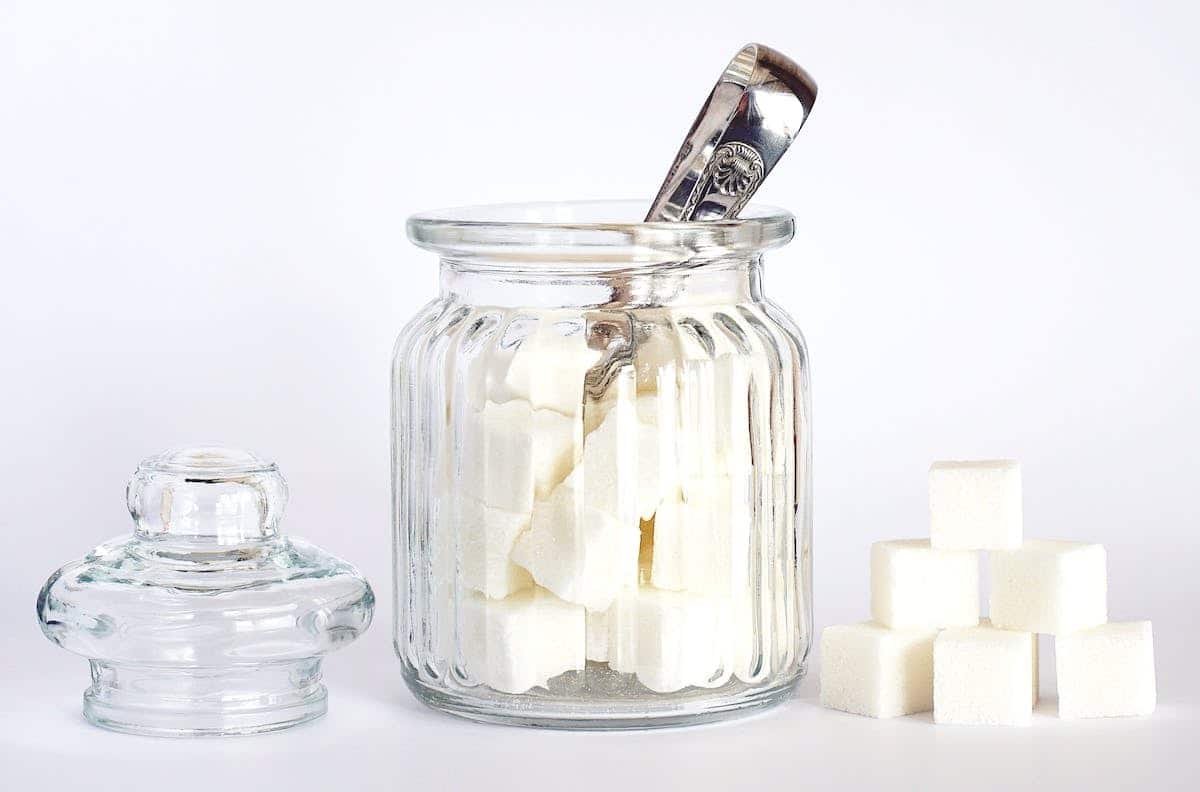
Let’s dive together into the fascinating world of sugar, this sweetness that delights our taste buds, yet whose scientific aspect remains a mystery for many. Today, we will focus on the weight of a piece of sugar. A question that may seem trivial, but which holds key elements to better understand our daily consumption. How much does this little white sweetener that we so often add to our tea or coffee actually weigh? Here is a playful yet educational exploration that will allow you to grasp this reality more precisely.
The weight of a piece of sugar: an unknown concept
Many factors can influence the ‘weight of a piece of sugar’, a key unit of measurement to understand the exact amount of the sweet white crystal we consume.
One of the main elements to consider is the physical appearance of sugar, which can vary greatly. A compact cube will have a different weight than a granule or a crystal, even if they appear almost identical to the naked eye. That’s why it’s crucial not to rely solely on appearances when it comes to the ‘weight of a piece of sugar’.
The origin and type of sugar also play a significant role in the final determinant: its weight. Refined sugars, for example, tend to be denser and therefore heavier than untreated raw sugar.
Next comes the size of the grains, which also has a major influence on the ‘weight of a piece of sugar’. Indeed, a coarse grain will weigh more compared to a fine grain despite their seemingly similar volumes.
It would be negligent to exclude the potentially determining effects of environmental conditions on the ‘weight of a piece of sugar’. For example, if your kitchen is particularly humid these days, your supplies may absorb this ambient moisture, thus increasing their mass and consequently their weight.
However, despite all these possible variations around the precise concept named ‘weight of a piece of sugar’, we fortunately have today standardized food regulations allowing for a relatively reliable estimate regarding our daily consumption.
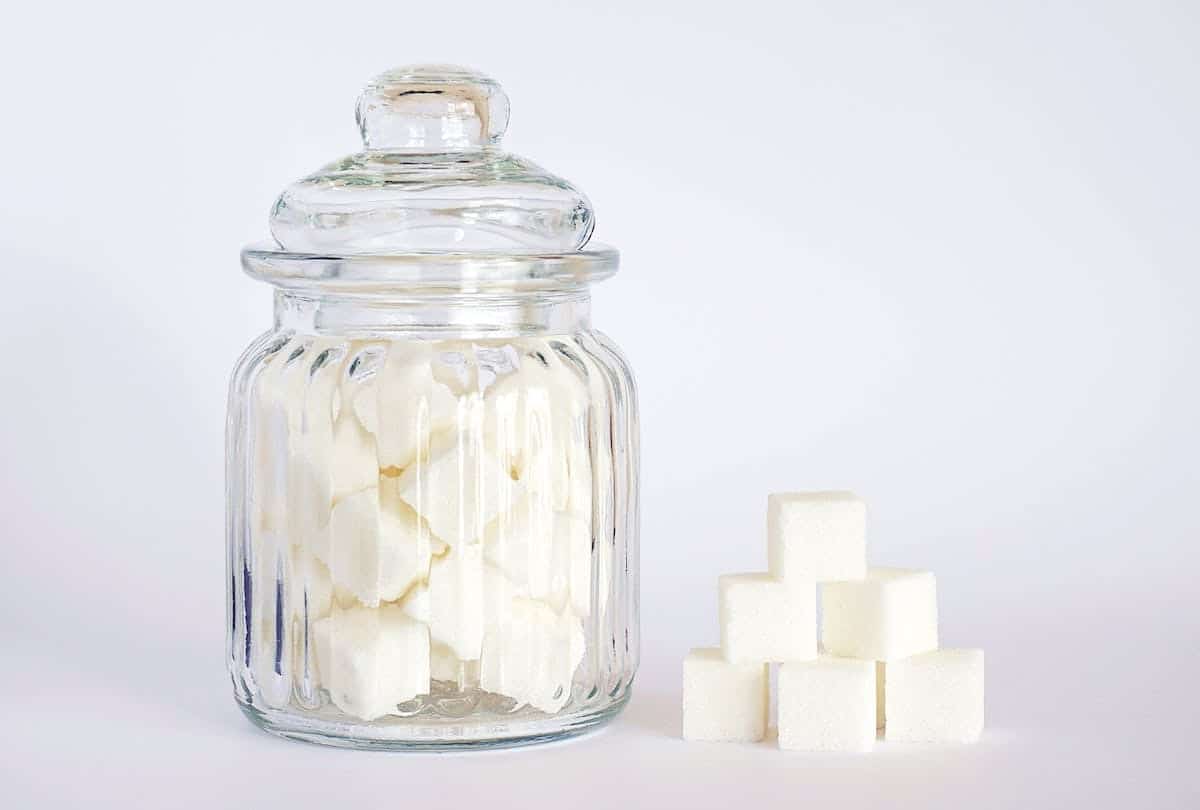
Factors influencing the weight of sugar
In the culinary field, there are various measurement systems to evaluate the weight of a piece of sugar. Among them, we can mention the traditional unit of grams, which is widely used in European countries. The gram allows for increased accuracy when it comes to measuring small quantities of sugar.
Another commonly used unit is the teaspoon. This practical measure provides a reasonable approximation of the weight of a piece of sugar. Be sure to note that the size and density of the grains can vary, which may impact the final result.
For those who prefer more precise measurements, using a kitchen scale is recommended. This device allows for an exact evaluation of weight in grams or ounces.
The units of measurement for sugar
The consequences of the weight of sugar pieces on health are multiple and must be taken into account. The first is the increased risk of obesity. Indeed, excessive sugar consumption can lead to a high caloric intake, thus promoting weight gain.
Regular and significant sugar consumption can negatively impact our immune system. Studies have shown that sugar weakens our natural defenses against infections, making our bodies more vulnerable to diseases.
Sugar is also known for its addictive potential. People who regularly consume large amounts of sugar may develop an addiction to this substance. This can lead to difficulties in controlling consumption and result in health issues such as type 2 diabetes or cardiovascular diseases.
Overconsumption of sugar is directly linked to the development of diabetes. When we ingest too much sugar, it causes a rapid and significant increase in blood glucose levels, which puts pressure on our pancreas to produce enough insulin to balance these high levels.
It should also be mentioned that prolonged contact between the bacteria in our mouths and sugars fuels the process responsible for tooth decay.
To limit the harmful effects of sugar on our health, it is recommended to reduce consumption and opt for healthier alternatives such as fresh fruits or natural sweeteners like honey or maple syrup.
The question of the weight of sugar pieces should not be taken lightly. Excessive consumption can have significant repercussions on our health, ranging from obesity to the development of chronic diseases. We must remain vigilant and prioritize a balanced diet by limiting our intake of added sugars.
Consequences of sugar weight on health
In this section, we will present some simple yet useful tips for estimating the weight of a piece of sugar. These techniques can be practical in various situations, whether dining out or preparing your own recipes.
The first tip is to use a precise kitchen scale. Ideally, you should have an electronic scale that allows for accurate measurement of food weight. Simply place the piece of sugar on the scale and observe the displayed result.
If you do not have access to a scale, there are approximate ways to estimate the weight of a piece of sugar. For example, a standard piece generally weighs about 4 grams. You can use this value as a reference when you want to quickly assess the amount of sugar you are consuming.
Another method is to visually compare the size of the piece of sugar with that of other common objects whose dimensions and approximate weights are known. For example, if you know that a teaspoon weighs about 5 grams, try to estimate if your piece corresponds to about three-quarters of a teaspoon.
It may be interesting to use mobile applications dedicated to calorie counting and nutritional tracking. Some tools also offer a feature that estimates the weight of foods based on their physical appearance or known dimensions.
You should keep in mind that these tips are only approximate estimates. For precise measurement, it is always recommended to use a reliable electronic scale. By using these alternative methods, you can get a general idea of the weight of the sugar you consume and thus better control your daily intake.
Understanding the weight of a piece of sugar can be useful for maintaining a healthy and balanced lifestyle. By using the tips presented above, you can start to become aware of the amount of sugar present in your foods and make more informed choices to preserve your health in the long term.